The Challenges of Treating Throat Diseases Among War Refugees
Category : | Sub Category : Posted on 2024-10-05 22:25:23
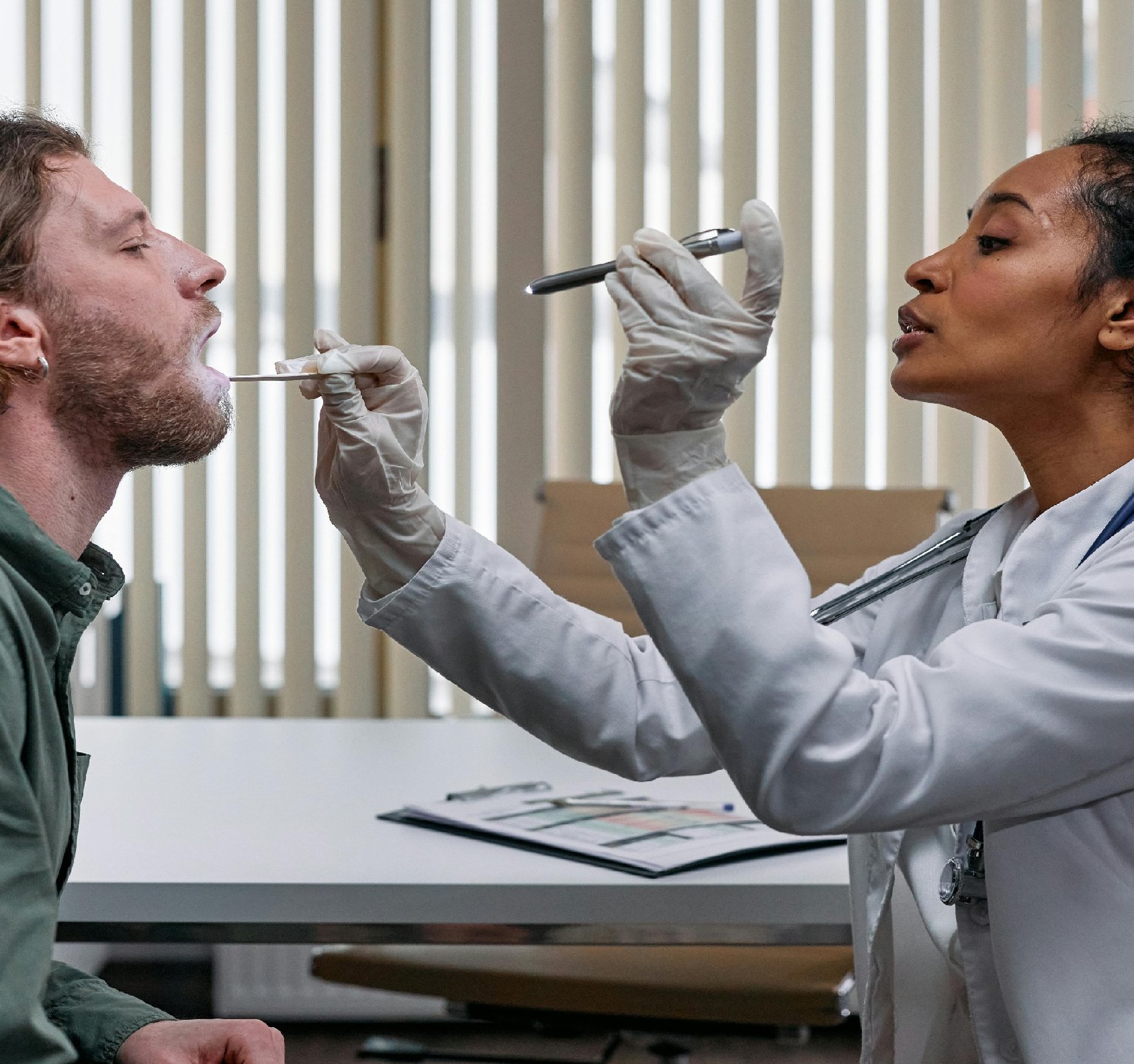
In times of conflict and war, the health and well-being of displaced populations are often gravely impacted. War refugees face a myriad of challenges, including limited access to healthcare services, lack of resources, and unsanitary living conditions. Among the numerous health issues that plague this vulnerable group, throat diseases present a significant concern. Throat diseases encompass a range of conditions that affect the throat, such as strep throat, tonsillitis, laryngitis, and more serious infections like diphtheria. These diseases can be particularly debilitating, causing pain, difficulty swallowing, and in severe cases, life-threatening complications. In the context of war refugees, the prevalence of throat diseases is often higher due to overcrowded living conditions, poor hygiene, and limited access to medical care. For war refugees, finding appropriate healthcare providers to diagnose and treat throat diseases can be a daunting task. Many refugees live in makeshift camps or temporary shelters where healthcare facilities are scarce or nonexistent. In addition, language barriers, cultural differences, and distrust of healthcare systems can further impede refugees' access to necessary medical treatment. In this challenging environment, doctors and healthcare providers play a crucial role in addressing the health needs of war refugees with throat diseases. Through mobile clinics, outreach programs, and telemedicine services, doctors can bring essential medical care directly to refugee populations. These efforts not only help diagnose and treat throat diseases but also raise awareness about preventive measures and promote overall health and well-being. Furthermore, healthcare providers working with war refugees must be sensitive to the unique cultural, social, and psychological factors that impact their patients' health. Addressing trauma, stress, and mental health concerns is essential in providing comprehensive care to refugees affected by conflict and displacement. Despite the numerous challenges that war refugees face in accessing healthcare services for throat diseases, dedicated doctors and organizations continue to work tirelessly to improve the health outcomes of this vulnerable population. Through advocacy, education, and collaboration, we can strive to ensure that all individuals, including war refugees, have access to quality healthcare and support in their time of need. In conclusion, the impact of throat diseases on war refugees underscores the urgent need for sustainable healthcare solutions that prioritize the well-being of displaced populations. By recognizing the unique challenges faced by refugees and supporting the efforts of dedicated healthcare providers, we can work towards a future where every individual, regardless of their circumstances, has access to the care they need to live a healthy and dignified life.
https://garganta.org
https://ciego.org
https://enferma.org
https://oreilles.org
Leave a Comment:
SEARCH
Recent News
- Zurich, Switzerland has long been known for its exceptional quality of life, beautiful surroundings, and high standard of healthcare. In contrast, the Russian healthcare system has faced various challenges and struggles over the years. Let's delve into the differences between the healthcare systems in Zurich, Switzerland, and Russia.
- Navigating Medical Device Regulations in Zurich, Switzerland
- In the bustling city of Zurich, Switzerland, finding healthy fast food options can be a challenge. However, with a little exploration and curiosity, you can discover some fantastic spots that offer nutritious and delicious meals on the go.
- YouTube Content Creation: Exploring the Russian Healthcare System
- In today's digital age, YouTube has become a powerful platform for content creators to share their knowledge and expertise with a global audience. One particular niche that has been gaining traction on YouTube is the creation and translation of content related to medical devices regulation.
- Are you looking for tips on creating YouTube content about healthy fast food options and the importance of translation in reaching a wider audience? Let's dive into how you can combine these two aspects to create engaging and informative videos for your channel.
- Exploring the Russian Healthcare System: Insights from a YouTube Channel
- Navigating the Regulatory Landscape for Medical Devices on YouTube
READ MORE
10 months ago Category :

Zurich, Switzerland has long been known for its exceptional quality of life, beautiful surroundings, and high standard of healthcare. In contrast, the Russian healthcare system has faced various challenges and struggles over the years. Let's delve into the differences between the healthcare systems in Zurich, Switzerland, and Russia.
Read More →10 months ago Category :

Navigating Medical Device Regulations in Zurich, Switzerland
Read More →10 months ago Category :

In the bustling city of Zurich, Switzerland, finding healthy fast food options can be a challenge. However, with a little exploration and curiosity, you can discover some fantastic spots that offer nutritious and delicious meals on the go.
Read More →10 months ago Category :
