Understanding Throat Diseases and Hearing Loss: Causes, Symptoms, and Treatment
Category : | Sub Category : Posted on 2024-10-05 22:25:23
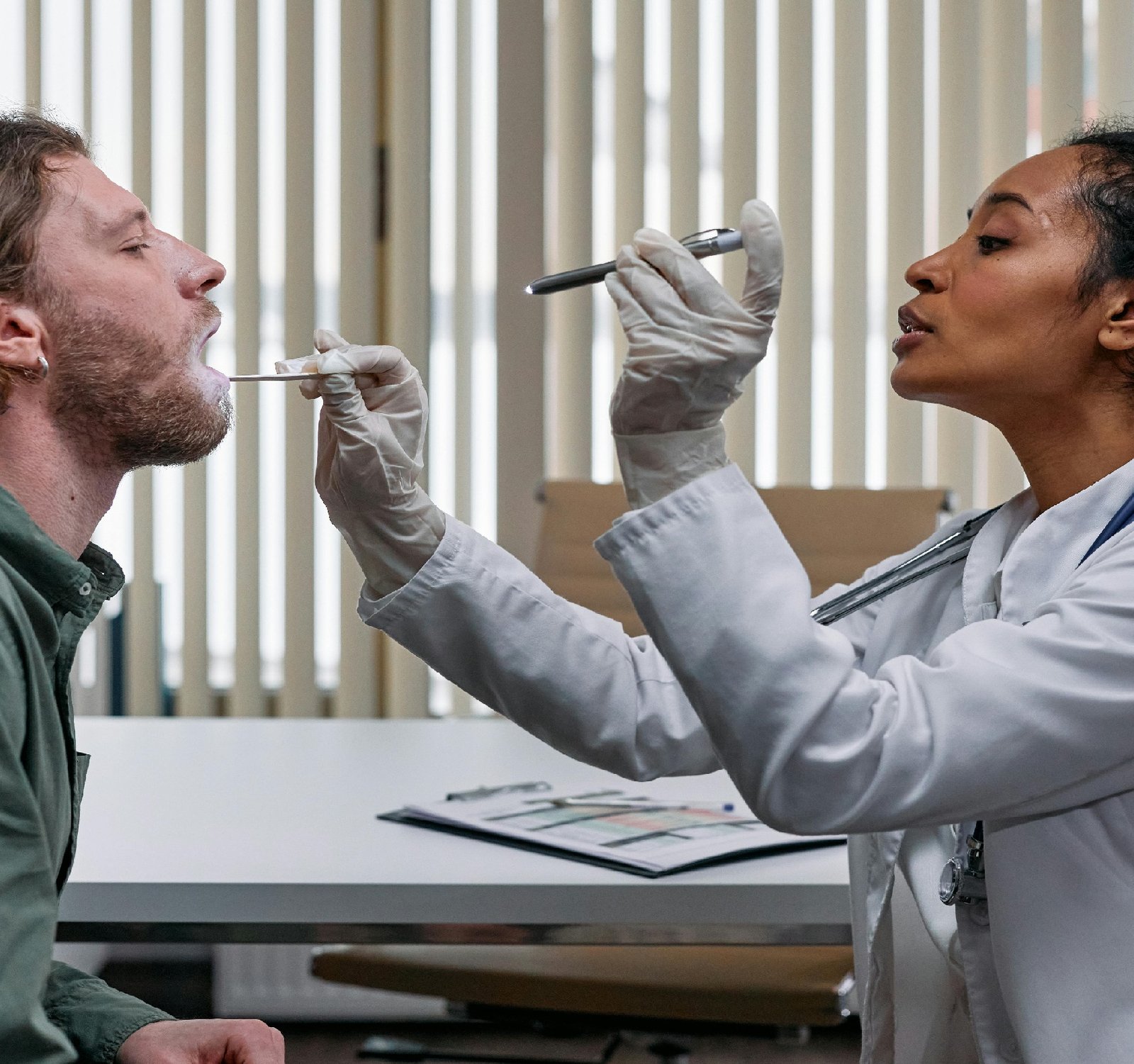
Throat Diseases: Throat diseases can affect various parts of the throat, including the pharynx (throat cavity), larynx (voice box), and tonsils. Some common throat diseases include tonsillitis, laryngitis, pharyngitis, and strep throat. These conditions can be caused by viral or bacterial infections, allergies, smoking, or gastroesophageal reflux disease (GERD). Symptoms of throat diseases may include sore throat, hoarseness, difficulty swallowing, and swollen glands. Doctors and Diagnosis: When experiencing symptoms of a throat disease, it is important to consult a healthcare professional. A primary care physician or an ear, nose, and throat (ENT) specialist can evaluate your symptoms, perform a physical examination, and order diagnostic tests such as a throat culture or a throat swab. These tests can help identify the underlying cause of the throat disease and determine the most appropriate treatment. hearing Loss: Hearing loss is a common sensory impairment that can affect individuals of all ages. There are different types of hearing loss, including conductive hearing loss, sensorineural hearing loss, and mixed hearing loss. Causes of hearing loss may include aging, exposure to loud noises, ear infections, ototoxic medications, and genetic factors. Symptoms of hearing loss can range from difficulty following conversations to ringing in the ears (tinnitus). Treatment Options: Treatment for throat diseases may vary depending on the underlying cause. Viral infections may improve with rest, hydration, and over-the-counter medications to relieve symptoms. Bacterial infections may require antibiotics. In some cases, surgical intervention may be necessary to remove infected tonsils or treat other conditions affecting the throat. For hearing loss, treatment options depend on the type and severity of the hearing impairment. Hearing aids can help individuals with mild to moderate hearing loss, while cochlear implants may be recommended for severe hearing loss or profound deafness. Audiologists can conduct hearing evaluations and recommend the most appropriate hearing devices or rehabilitation services based on individual needs. Prevention: To prevent throat diseases, practicing good hygiene, staying hydrated, and avoiding smoking and exposure to secondhand smoke can help reduce the risk of infections. Protecting your ears from loud noises, wearing ear protection in noisy environments, and seeking timely medical attention for ear infections can help prevent hearing loss and preserve your hearing health. In conclusion, understanding throat diseases and hearing loss is crucial for maintaining overall health and well-being. By seeking prompt medical attention, following treatment recommendations, and taking preventive measures, individuals can manage these conditions effectively and improve their quality of life. Remember to consult a healthcare professional for personalized advice and guidance regarding throat diseases and hearing loss.
https://garganta.org
https://ciego.org
https://enferma.org
https://oreilles.org
Leave a Comment:
SEARCH
Recent News
- Zurich, Switzerland has long been known for its exceptional quality of life, beautiful surroundings, and high standard of healthcare. In contrast, the Russian healthcare system has faced various challenges and struggles over the years. Let's delve into the differences between the healthcare systems in Zurich, Switzerland, and Russia.
- Navigating Medical Device Regulations in Zurich, Switzerland
- In the bustling city of Zurich, Switzerland, finding healthy fast food options can be a challenge. However, with a little exploration and curiosity, you can discover some fantastic spots that offer nutritious and delicious meals on the go.
- YouTube Content Creation: Exploring the Russian Healthcare System
- In today's digital age, YouTube has become a powerful platform for content creators to share their knowledge and expertise with a global audience. One particular niche that has been gaining traction on YouTube is the creation and translation of content related to medical devices regulation.
- Are you looking for tips on creating YouTube content about healthy fast food options and the importance of translation in reaching a wider audience? Let's dive into how you can combine these two aspects to create engaging and informative videos for your channel.
- Exploring the Russian Healthcare System: Insights from a YouTube Channel
- Navigating the Regulatory Landscape for Medical Devices on YouTube
READ MORE
10 months ago Category :

Zurich, Switzerland has long been known for its exceptional quality of life, beautiful surroundings, and high standard of healthcare. In contrast, the Russian healthcare system has faced various challenges and struggles over the years. Let's delve into the differences between the healthcare systems in Zurich, Switzerland, and Russia.
Read More →10 months ago Category :

Navigating Medical Device Regulations in Zurich, Switzerland
Read More →10 months ago Category :

In the bustling city of Zurich, Switzerland, finding healthy fast food options can be a challenge. However, with a little exploration and curiosity, you can discover some fantastic spots that offer nutritious and delicious meals on the go.
Read More →10 months ago Category :
