Throat Diseases and Doctors: Addressing Healthcare Needs for Forced Migrants
Category : | Sub Category : Posted on 2024-10-05 22:25:23
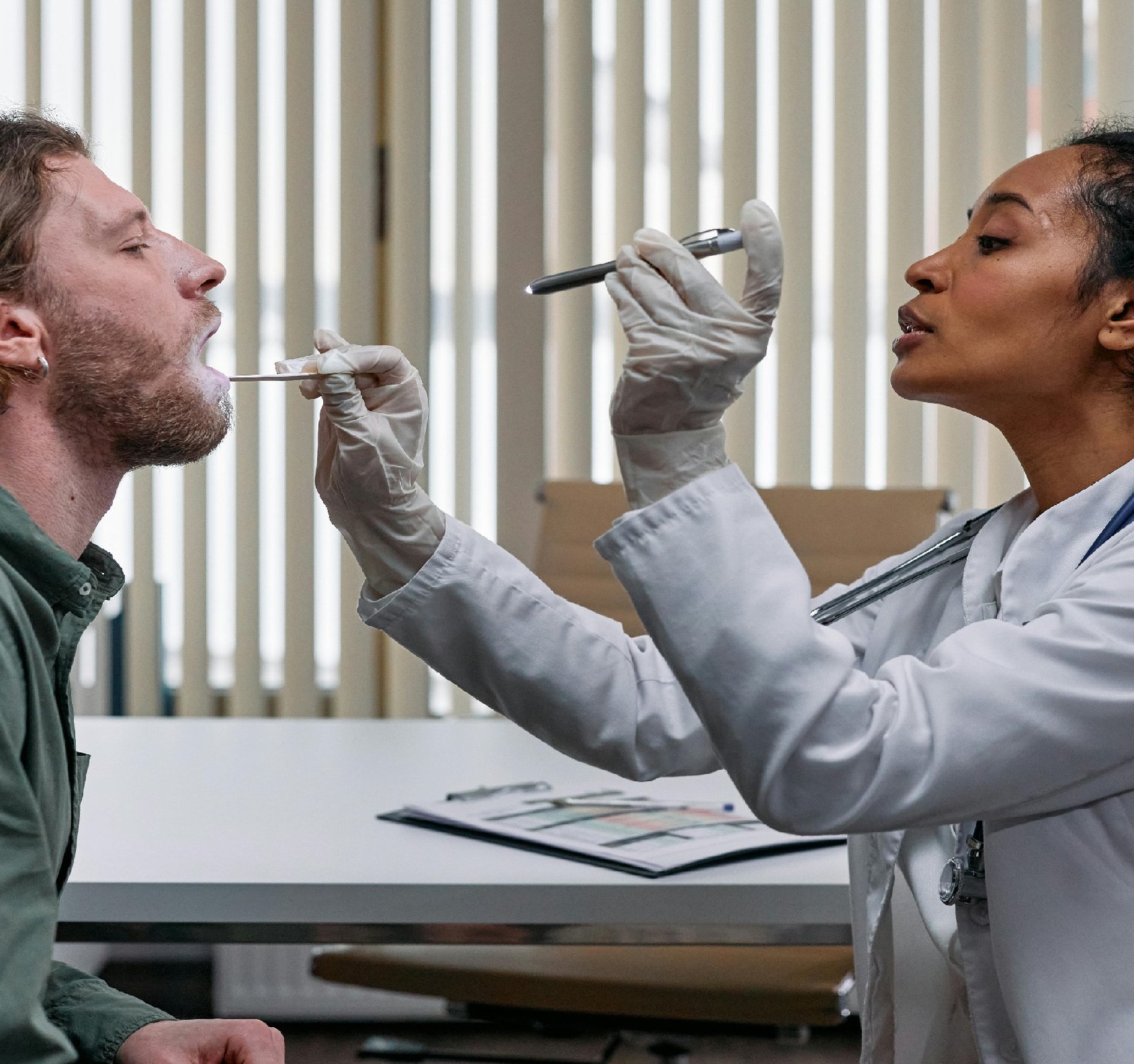
Forced migration, a global issue affecting millions of individuals, presents unique challenges when it comes to accessing healthcare services. Among the various health concerns that forced migrants may face, throat diseases can be particularly prevalent due to crowded living conditions, poor sanitation, and limited access to medical care. In this blog post, we will explore the impact of throat diseases on forced migrants and the role of doctors in addressing their healthcare needs. Throat diseases encompass a wide range of conditions, including strep throat, tonsillitis, laryngitis, and throat infections. These ailments can cause symptoms such as sore throat, difficulty swallowing, coughing, and hoarseness, which can be debilitating if left untreated. Forced migrants, already vulnerable due to their displacement and often traumatic experiences, may be especially susceptible to throat diseases due to living in crowded refugee camps or temporary shelters with limited access to clean water and proper sanitation facilities. In such challenging environments, the role of doctors and healthcare providers becomes crucial in identifying, treating, and preventing throat diseases among forced migrants. Doctors working in refugee camps, migrant shelters, or mobile health clinics play a vital role in conducting medical assessments, diagnosing throat conditions, and providing necessary treatments such as antibiotics, pain relievers, and throat lozenges. Moreover, doctors can also educate forced migrants about preventive measures to reduce the risk of throat diseases, such as practicing good hygiene, staying hydrated, and avoiding exposure to smoke or other irritants. Additionally, doctors can collaborate with public health authorities and humanitarian organizations to improve living conditions in migrant settings, including ensuring access to clean water, sanitation facilities, and adequate housing to prevent the spread of throat infections. Despite the challenges posed by forced migration, dedicated healthcare professionals continue to work tirelessly to provide quality medical care to vulnerable populations, including those affected by throat diseases. By addressing the healthcare needs of forced migrants, doctors not only alleviate suffering and improve individual health outcomes but also contribute to the overall well-being and resilience of displaced communities. In conclusion, throat diseases represent a significant health concern for forced migrants, necessitating prompt and effective medical intervention to prevent complications and promote recovery. Doctors and healthcare providers play a critical role in addressing the healthcare needs of forced migrants, underscoring the importance of access to quality healthcare services for all individuals, regardless of their migration status. Through collaboration, compassion, and dedication, healthcare professionals can make a meaningful difference in the lives of forced migrants facing throat diseases in challenging circumstances.
https://garganta.org
https://ciego.org
https://enferma.org
https://oreilles.org
Leave a Comment:
SEARCH
Recent News
- Zurich, Switzerland has long been known for its exceptional quality of life, beautiful surroundings, and high standard of healthcare. In contrast, the Russian healthcare system has faced various challenges and struggles over the years. Let's delve into the differences between the healthcare systems in Zurich, Switzerland, and Russia.
- Navigating Medical Device Regulations in Zurich, Switzerland
- In the bustling city of Zurich, Switzerland, finding healthy fast food options can be a challenge. However, with a little exploration and curiosity, you can discover some fantastic spots that offer nutritious and delicious meals on the go.
- YouTube Content Creation: Exploring the Russian Healthcare System
- In today's digital age, YouTube has become a powerful platform for content creators to share their knowledge and expertise with a global audience. One particular niche that has been gaining traction on YouTube is the creation and translation of content related to medical devices regulation.
- Are you looking for tips on creating YouTube content about healthy fast food options and the importance of translation in reaching a wider audience? Let's dive into how you can combine these two aspects to create engaging and informative videos for your channel.
- Exploring the Russian Healthcare System: Insights from a YouTube Channel
- Navigating the Regulatory Landscape for Medical Devices on YouTube
READ MORE
10 months ago Category :

Zurich, Switzerland has long been known for its exceptional quality of life, beautiful surroundings, and high standard of healthcare. In contrast, the Russian healthcare system has faced various challenges and struggles over the years. Let's delve into the differences between the healthcare systems in Zurich, Switzerland, and Russia.
Read More →10 months ago Category :

Navigating Medical Device Regulations in Zurich, Switzerland
Read More →10 months ago Category :

In the bustling city of Zurich, Switzerland, finding healthy fast food options can be a challenge. However, with a little exploration and curiosity, you can discover some fantastic spots that offer nutritious and delicious meals on the go.
Read More →10 months ago Category :
