Throat diseases are a common health issue that can affect anyone at any age. From a simple sore throat to more complex conditions such as strep throat or tonsillitis, it is important to seek medical assistance for proper diagnosis and treatment. In this blog post, we will discuss throat diseases and the role of doctors in managing them, as well as explore data quality management strategies that can improve the accuracy and efficiency of healthcare services.
Category : | Sub Category : Posted on 2024-10-05 22:25:23
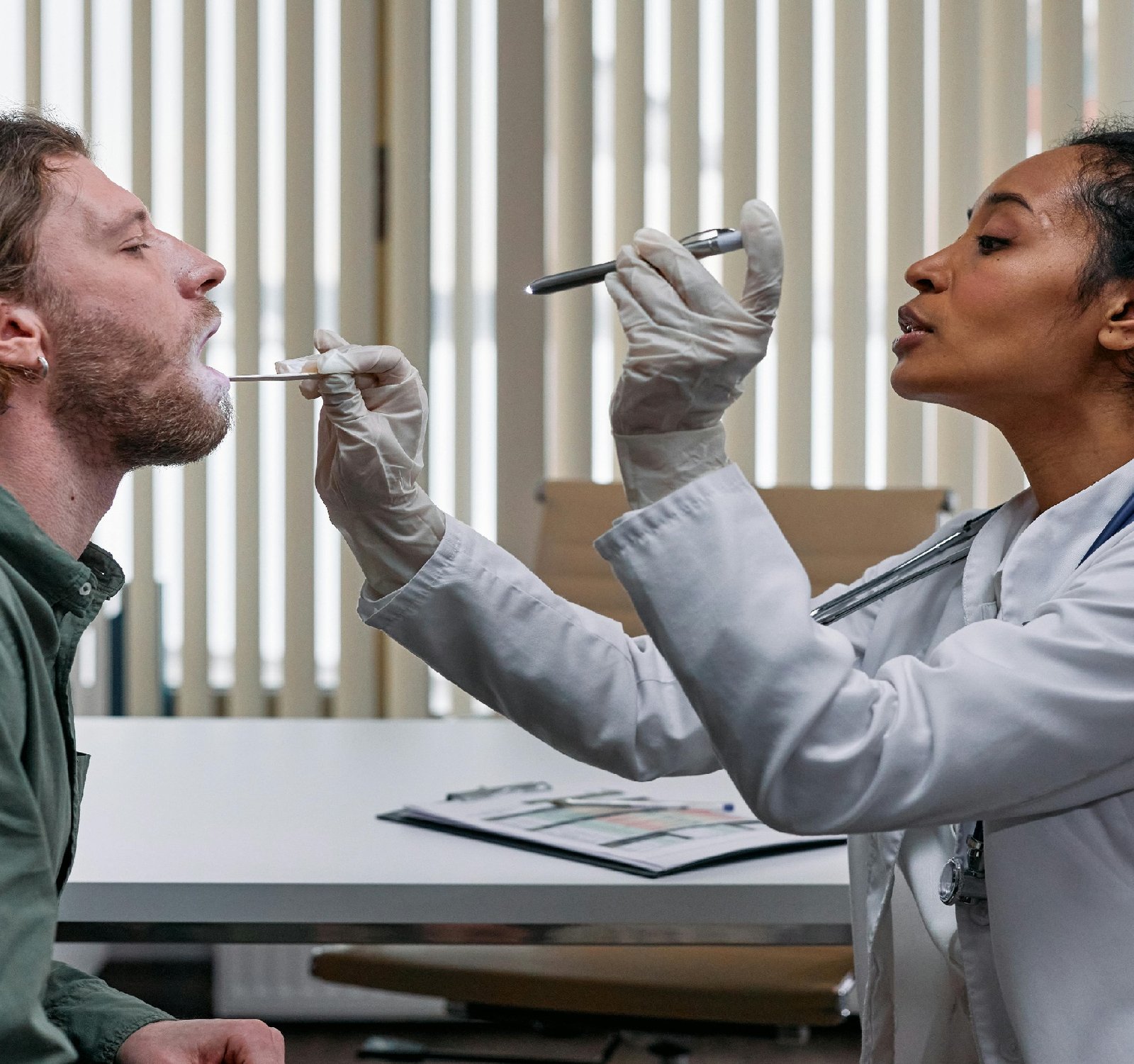
Throat diseases, also known as pharyngeal disorders, can cause discomfort and pain, making it difficult to swallow or speak. Common symptoms include sore throat, hoarseness, coughing, and difficulty breathing. In some cases, throat diseases can be caused by bacteria or viruses, requiring antibiotics or antiviral medications for treatment. Chronic conditions such as acid reflux or allergies can also contribute to throat issues and may need long-term management. When experiencing symptoms of a throat disease, it is important to consult a healthcare professional for a proper diagnosis. Otolaryngologists, also known as ear, nose, and throat (ENT) doctors, specialize in the diagnosis and treatment of throat disorders. They may perform a physical examination, order diagnostic tests such as throat swabs or imaging scans, and recommend appropriate treatment options based on the underlying cause of the disease. data quality management plays a crucial role in ensuring accurate diagnosis and effective treatment of throat diseases. Healthcare providers rely on accurate and up-to-date patient data to make informed decisions about care. By implementing data quality management strategies, healthcare organizations can improve the accuracy, completeness, and consistency of their data, leading to better patient outcomes and more efficient healthcare delivery. One key data quality management strategy is data standardization, which involves establishing consistent data formats and definitions across healthcare systems. By standardizing data elements such as patient demographics, medical histories, and test results, healthcare providers can easily access and share information, reducing errors and improving communication among care teams. Another important strategy is data validation, which involves reviewing and verifying the accuracy and integrity of data before it is used for clinical decision-making. By implementing data validation protocols, healthcare organizations can identify and correct errors or inconsistencies in patient data, ensuring that healthcare providers have access to reliable information when diagnosing and treating throat diseases. In conclusion, throat diseases can cause discomfort and impact daily activities, making timely diagnosis and treatment essential for recovery. Otolaryngologists play a key role in managing throat disorders and providing appropriate care to patients. By implementing data quality management strategies, healthcare organizations can improve the accuracy and efficiency of healthcare services, leading to better outcomes for patients with throat diseases.
https://garganta.org
https://ciego.org
https://enferma.org
https://oreilles.org
Leave a Comment:
SEARCH
Recent News
- Zurich, Switzerland has long been known for its exceptional quality of life, beautiful surroundings, and high standard of healthcare. In contrast, the Russian healthcare system has faced various challenges and struggles over the years. Let's delve into the differences between the healthcare systems in Zurich, Switzerland, and Russia.
- Navigating Medical Device Regulations in Zurich, Switzerland
- In the bustling city of Zurich, Switzerland, finding healthy fast food options can be a challenge. However, with a little exploration and curiosity, you can discover some fantastic spots that offer nutritious and delicious meals on the go.
- YouTube Content Creation: Exploring the Russian Healthcare System
- In today's digital age, YouTube has become a powerful platform for content creators to share their knowledge and expertise with a global audience. One particular niche that has been gaining traction on YouTube is the creation and translation of content related to medical devices regulation.
- Are you looking for tips on creating YouTube content about healthy fast food options and the importance of translation in reaching a wider audience? Let's dive into how you can combine these two aspects to create engaging and informative videos for your channel.
- Exploring the Russian Healthcare System: Insights from a YouTube Channel
- Navigating the Regulatory Landscape for Medical Devices on YouTube
READ MORE
10 months ago Category :

Zurich, Switzerland has long been known for its exceptional quality of life, beautiful surroundings, and high standard of healthcare. In contrast, the Russian healthcare system has faced various challenges and struggles over the years. Let's delve into the differences between the healthcare systems in Zurich, Switzerland, and Russia.
Read More →10 months ago Category :

Navigating Medical Device Regulations in Zurich, Switzerland
Read More →10 months ago Category :

In the bustling city of Zurich, Switzerland, finding healthy fast food options can be a challenge. However, with a little exploration and curiosity, you can discover some fantastic spots that offer nutritious and delicious meals on the go.
Read More →10 months ago Category :
