Maintaining Good Throat Health for Podcasters: Tips and Tricks
Category : | Sub Category : Posted on 2024-10-05 22:25:23
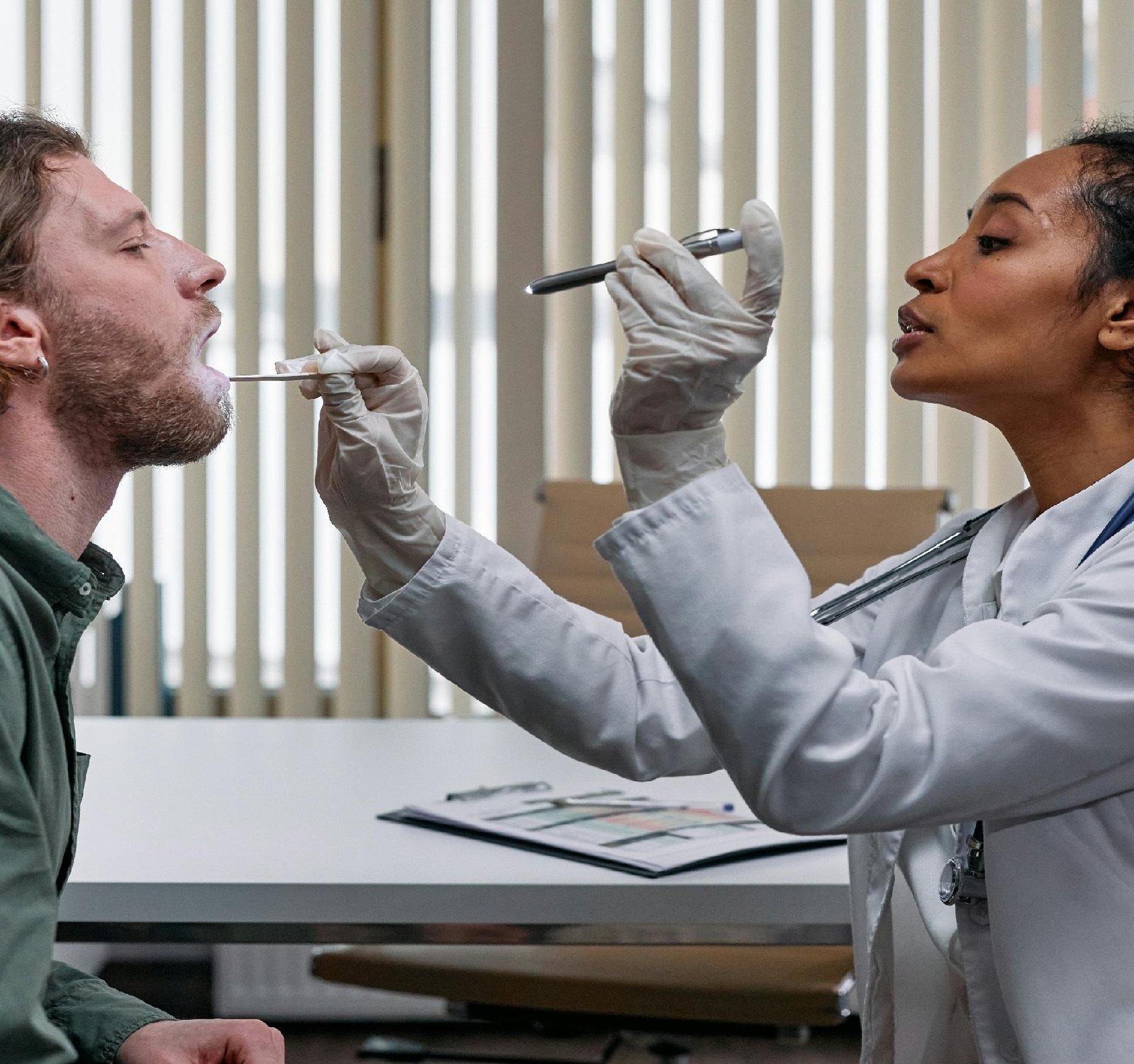
In the world of podcasting, a clear and healthy voice is essential for connecting with your audience. However, many podcasters neglect the importance of maintaining good throat health. Whether you are a seasoned podcaster or just starting out, taking care of your voice should be a top priority. By following some simple tips and tricks, you can keep your throat in top shape and ensure that your podcasts sound professional every time. 1. Stay Hydrated: One of the most important factors in maintaining good throat health is staying hydrated. Make sure to drink plenty of water throughout the day to keep your vocal cords lubricated. Avoid excessive amounts of caffeine and alcohol, as they can dehydrate your throat. 2. Warm Up Your Voice: Just like athletes warm up before a game, podcasters should warm up their voices before hitting the record button. Simple vocal exercises and gentle humming can help prepare your vocal cords for extended periods of talking. 3. Practice Good Posture: Believe it or not, your posture can impact the health of your throat. Sitting up straight allows for better airflow and helps reduce strain on your vocal cords. Avoid slouching or straining your neck during podcast recordings. 4. Use Proper Microphone Technique: Invest in a good quality microphone and make sure to position it correctly. Speak directly into the microphone at a comfortable distance to ensure clear sound quality without straining your voice. 5. Take Breaks: Podcasting can be a demanding activity, especially if you are recording for an extended period of time. Remember to take breaks and give your voice a rest. Use these breaks to hydrate, stretch, and relax your vocal cords. 6. Avoid Straining Your Voice: If you feel any discomfort or strain in your throat while recording, take a break. Pushing through vocal fatigue can lead to long-term damage. Listen to your body and know when it's time to stop. 7. Seek Professional Help: If you are experiencing persistent throat issues or vocal problems, don't hesitate to seek help from a professional. An ear, nose, and throat specialist or a speech therapist can provide guidance on how to improve your vocal health. By incorporating these tips into your podcasting routine, you can ensure that your voice remains strong, clear, and healthy. Remember, your voice is your most valuable tool as a podcaster, so take care of it. Happy podcasting! Want to expand your knowledge? Start with https://www.enferma.org To get a holistic view, consider https://www.oreilles.org for more https://www.periodization.org
https://garganta.org
https://enferma.org
https://oreilles.org
https://periodization.org
Leave a Comment:
SEARCH
Recent News
- Zurich, Switzerland has long been known for its exceptional quality of life, beautiful surroundings, and high standard of healthcare. In contrast, the Russian healthcare system has faced various challenges and struggles over the years. Let's delve into the differences between the healthcare systems in Zurich, Switzerland, and Russia.
- Navigating Medical Device Regulations in Zurich, Switzerland
- In the bustling city of Zurich, Switzerland, finding healthy fast food options can be a challenge. However, with a little exploration and curiosity, you can discover some fantastic spots that offer nutritious and delicious meals on the go.
- YouTube Content Creation: Exploring the Russian Healthcare System
- In today's digital age, YouTube has become a powerful platform for content creators to share their knowledge and expertise with a global audience. One particular niche that has been gaining traction on YouTube is the creation and translation of content related to medical devices regulation.
- Are you looking for tips on creating YouTube content about healthy fast food options and the importance of translation in reaching a wider audience? Let's dive into how you can combine these two aspects to create engaging and informative videos for your channel.
- Exploring the Russian Healthcare System: Insights from a YouTube Channel
- Navigating the Regulatory Landscape for Medical Devices on YouTube
READ MORE
10 months ago Category :

Zurich, Switzerland has long been known for its exceptional quality of life, beautiful surroundings, and high standard of healthcare. In contrast, the Russian healthcare system has faced various challenges and struggles over the years. Let's delve into the differences between the healthcare systems in Zurich, Switzerland, and Russia.
Read More →10 months ago Category :

Navigating Medical Device Regulations in Zurich, Switzerland
Read More →10 months ago Category :

In the bustling city of Zurich, Switzerland, finding healthy fast food options can be a challenge. However, with a little exploration and curiosity, you can discover some fantastic spots that offer nutritious and delicious meals on the go.
Read More →10 months ago Category :
